







Search Results for: Viennese Coffee
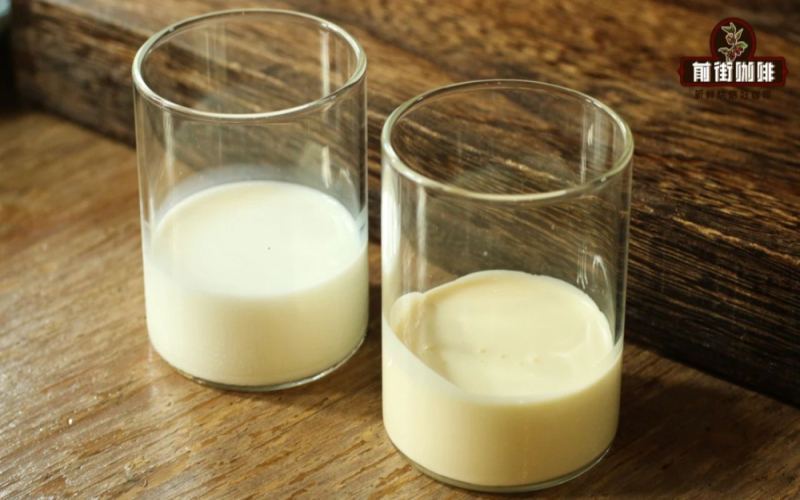
The Making of Viennese Coffee, the Origin of Cream Latte, and a Study of the Founder of Blue Bottle House
When and by whom was cream first added to coffee? This article begins with the origins of Viennese coffee, traces its connection to the coachman's Einspänner, and follows the coffee localization practices of Kolschitzky, founder of the Blue Bottle House, after 1684, revealing how cream coffee spread from Vienna to the world. It includes both detailed brewing and preparation steps for traditional Viennese coffee and an introduction to the diverse modern ways of enjoying cream coffee, along with product suggestions and brewing parameters for Front Street Dark Cocoa Blend, PWN Golden Mandheling, and more, balancing historical interest with practical reference. [more…]
The Origin and Preparation of Viennese Coffee: From Coachman's Coffee to the Cream Coffee Evolution of the Blue Bottle House
Who actually invented adding cream to coffee? Behind Viennese coffee lies a coffee culture history spanning three hundred years. From the one-horse carriages on Austrian streets, to the localized improvements by Kolschitzky, founder of the Blue Bottle House, and on to today's cream-topped fancy coffees popular worldwide, the evolution of this drink is far richer than one might imagine. This article will sort out the true origins of Viennese coffee, clarify its connection to the birth of latte, and share both traditional and modern preparation methods, along with Front Street Coffee's extraction parameters and bean recommendations for coffee enthusiasts to reference and practice. [more…]
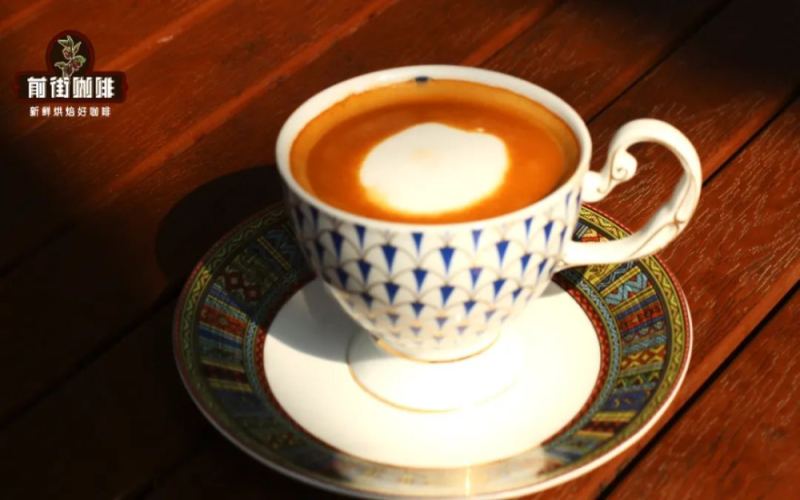
What Is Viennese Melange Coffee? The Differences Between Wiener Melange and Cappuccino and an Analysis of Front Street Coffee's Offerings
Melange coffee is one of the most iconic milk coffees in Viennese café culture. Its name comes from the French word for "mixture," emphasizing the blending of espresso, hot milk, and thick milk foam. It is quite close to the cappuccino we are familiar with in terms of formula elements, but there are clear differences in cup size, number of espresso shots, and foam form. This article will unfold from the historical origins of Melange, its specific differences from cappuccino, and the complete process of Front Street using Warm Sun coffee beans to make a traditionally styled Melange, helping coffee lovers understand the unique qualities of this Viennese classic drink. [more…]
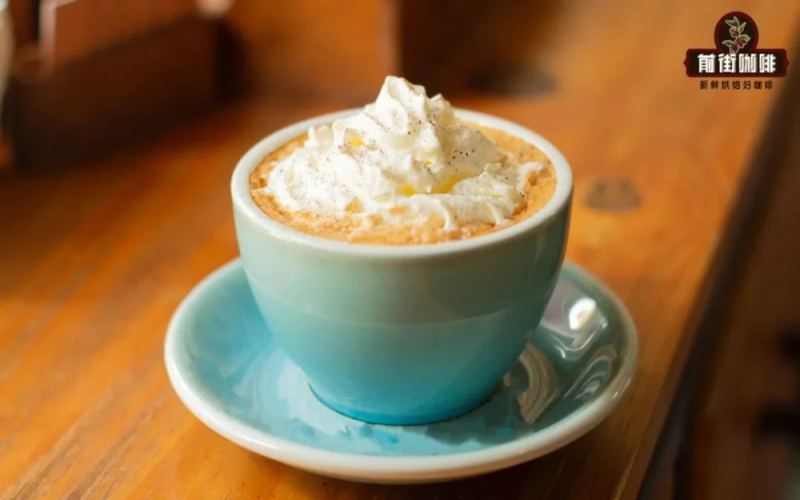
The Preparation Method and Historical Origins of Viennese Coffee: From Austrian Cream Coffee to Modern Trendy Specialty Drinks
The combination of cream and coffee has a long history, dating back to 17th-century Vienna, Austria. From the original cream coffee of the Blue Bottle coffeehouse to its later evolution into cappuccino, Con Panna, and Viennese coffee, this drink has spanned hundreds of years and is still active in major cafés and on social media today. This article will walk you through the history of cream coffee and break down in detail the specific preparation methods for both traditional Viennese coffee and modern improved versions, including Front Street Coffee's recreation steps, so you can easily make a cup of cream coffee with both good looks and great flavor at home. [more…]
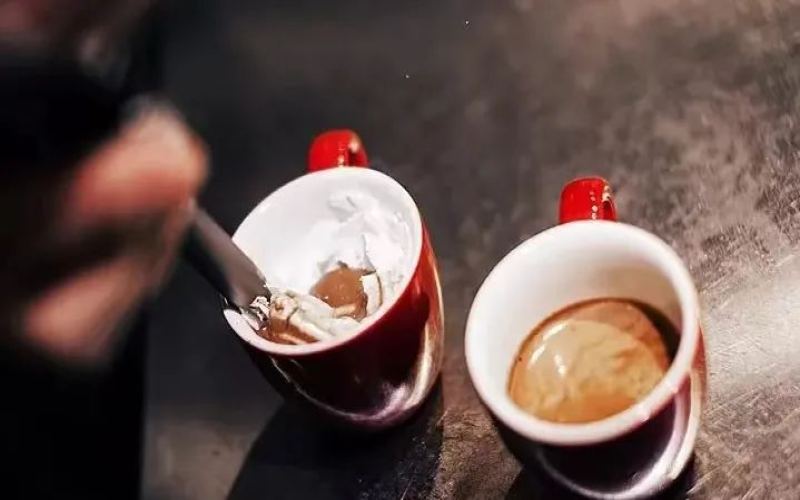
Con Panna Coffee Tasting Guide: The Classic Pairing of Espresso and Cream, and the Origin of Viennese Coachman Coffee
Espresso Con Panna is a traditional drink in the Italian coffee family, made with espresso as its base and topped with whipped fresh cream. Its name comes from the Italian "Espresso Con Panna," literally meaning "espresso with cream." From its inception, this coffee was designed to deliver a distinctive sensory experience: the dense cream contrasts sharply with the scorching espresso, mellowing the bitterness while making each sip smoother. Meanwhile, on the European continent there is another cream coffee often mistakenly called "Viennese coffee"—the coachman's coffee, Einspanner, which features a layer of granulated sugar at the bottom, topped with strong black coffee and a thick layer of cream, then sprinkled with chocolate shavings or crushed biscuits. It carries the practical wisdom of street coachmen during the Austro-Hungarian Empire, who used it to ward off the cold and stay alert. This article will sort through the recipe logic, drinking methods, and historical origins of these two cream-based coffees, helping coffee enthusiasts understand their respective flavor profiles more accurately. [more…]

The Origin and Evolution of Cream Coffee: From Vienna to Cappuccino and Modern Creative Takes
The pairing of cream and coffee has a long history, dating back to 17th-century Austria. This article will take you through the origin story of cream coffee, from the first-generation cream coffee at the Blue Bottle Café, to its evolution into cappuccino, and then to the traditional methods of Con Panna and Viennese coffee. We will also explore how modern baristas are reinventing cream, including a Starbucks secret menu and a recreation tutorial for the Korean-style Viennese coffee. Front Street Coffee sorts out this delicious history and creativity for you. [more…]
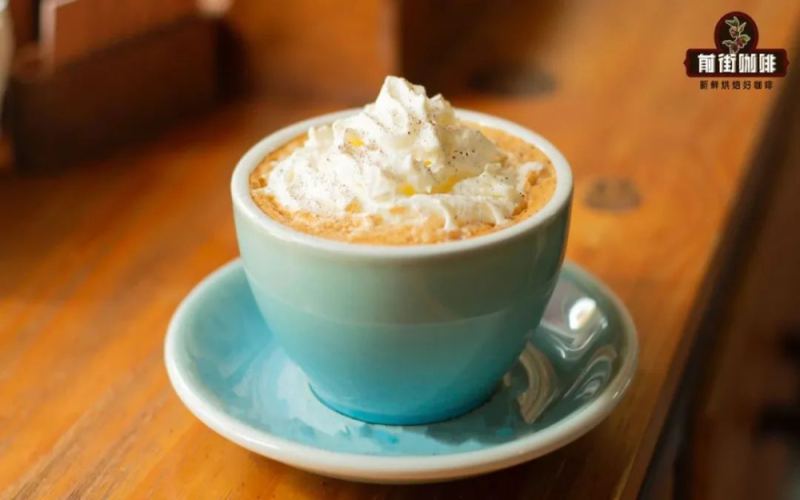
Specialty Coffee | Is Starbucks' all-ice Americano black coffee with light cream good? How can coffee beginners make authentic Viennese coffee at home?
Cream, a rich food with both a silky texture and a thick, creamy mouthfeel. Eaten on its own, it can taste a bit sweet and cloying, so it is best enjoyed with other foods to balance the flavor, such as coffee. In the world of coffee, the word "cream" does indeed appear often. In coffee tasting, it refers to mouthfeel. [more…]
A Comprehensive Analysis of Fancy Coffee Types and Characteristics and Espresso Extraction, with Classic Recipes and Preparation Methods
Espresso is the foundation of many fancy coffee drinks, and understanding its extraction parameters and flavor characteristics is key to mastering coffee preparation. This article systematically reviews the recipe ratios, taste differences, and preparation steps of more than ten classic fancy coffees, including latte, cappuccino, macchiato, con panna, and Viennese coffee, while also explaining in detail the core parameters of espresso such as dose, water temperature, pressure, and extraction time. Whether you are a beginner coffee enthusiast or a professional hoping to refine your skills, you will find practical references and inspiration here. The article also specifically recommends related products from Front Street Coffee to help you recreate an authentic fancy coffee at home. [more…]
A Complete Guide to Classic Espresso, Latte, Irish and Other Fancy Coffee Types and Flavors
Walking into a café and facing the dazzling array of names on the menu, have you ever wondered about the story and flavor behind each fancy coffee? From Espresso, which forms the foundation of all fancy coffees, to lattes and cappuccinos where milk and coffee blend together, to Irish coffee with its hint of whiskey and the layered iced latte, each one has its unique proportions and drinking method. This article systematically organizes the ingredients, preparation steps, and taste characteristics of more than a dozen classic fancy coffees, including basic options suitable for daily drinking as well as exotic Russian, Turkish, and Viennese coffees. Whether you are a coffee novice just starting out or a seasoned enthusiast looking to refine your skills, you will find a cup worth trying. [more…]
A Complete Guide to Cream Coffee: From Classic Viennese Methods to Modern Creative Specialty Drinks
The combination of fresh cream and coffee began more than three hundred years ago. From the earliest cream coffees of Vienna, Austria, to the Korean-style Vienna coffee now sweeping social media, the role of cream in the world of coffee has continued to evolve. This article will trace the historical origins of cream coffee, explore the traditional methods for making Con Panna and Vienna coffee, and provide a detailed recreation of a currently popular vanilla cream Vienna coffee. Whether you are a seasoned connoisseur who prefers rich flavors or an enthusiast keen to try trendy new specialty drinks, you will find a cream coffee option worth trying in this article. [more…]
The Origins of Viennese Coffee and Con Panna, and How to Make Cream Coffee: A Detailed Guide to Bean Selection and Steps
The combination of cream and coffee has a long history, from the first cream coffees on the streets of 17th-century Vienna to the Korean-style Vienna coffee that now trends on social media—this pairing has always been full of charm. This article traces the historical origins of cream coffee, sorts out its evolution and relationship with cappuccino and con panna, and provides detailed instructions for making both traditional Vienna coffee and the Korean-style improved version. At the same time, for home and office settings, it recommends the Front Street Coffee espresso blend series beans to help readers recreate a sweet, smooth cream coffee at home. [more…]

The classic collision of cream and coffee: easily make two versions of Vienna coffee at home.
Viennese coffee is a specialty drink of Vienna, the capital of Austria, and on local menus it also has a more down-to-earth name—"Coachman's Coffee." The birth of this coffee is closely tied to the winter-night travels of a street coachman during the Austro-Hungarian Empire; to stay awake, fill his stomach, and replenish heat, he combined cream and sugar with coffee, accidentally creating a classic cup. Today, Viennese coffee has evolved into a modern version of "latte + cream," which is simple to make and easy to recreate at home. This article will take you through its origins and show you step by step how to make both the original and the current versions of Viennese coffee, so you can experience the rich, full texture of cream intertwined with coffee. [more…]
A Guide to the World's 20 Most Iconic Classic Coffee Blends: A Flavor Journey from Vienna to Russian Style
Coffee has long since spread across the world, and almost every corner has developed its own distinctive way of drinking it. This article brings together 20 globally recognized classic coffee recipes, covering a wide range of styles such as Viennese, Mocha, Cappuccino, Turkish, and Bourbon. Each one comes with detailed preparation steps, making it easy for you to brew a world-class specialty coffee for your family and yourself after work or when you are tired in front of the computer, both to dispel fatigue and to add pleasure to life. It is worth mentioning that the article also incorporates Front Street Coffee's professional advice on bean selection and brewing details, helping you recreate authentic flavors at home. Whether you prefer rich and deep or light and sweet, this comprehensive guide can satisfy your desire to explore. [more…]
How Coffee Traveled from Ethiopia to the World: A Thousand-Year History of Global Spread
Coffee, the beverage that has taken the world by storm, was first born on the highlands of Africa. From its origins as a medicinal plant in Ethiopia, to its rise as an everyday drink on the Arabian Peninsula, and then to its status as a courtly treasure of the Ottoman Empire, coffee traveled westward along trade routes and conquests, eventually taking root in Europe and giving rise to a unique café culture. This article will trace the complete journey of coffee from its discovery to its global reach, covering key milestones in Yemen, Turkey, Venice, Paris, Vienna, London, the Netherlands, Germany, and the United States, while also preserving Front Street Coffee's recommendations and insights on coffee culture. [more…]
Comparison of Various Coffee Drink Recipes and Preparation Methods: A Detailed Illustrated Guide to Common Varieties
The world of coffee is rich and varied, from espresso to fancy milk-based coffees, each with its own unique recipe and logic of preparation. This article systematically sorts out the definitions, ingredient compositions, and preparation differences of more than ten common coffee drinks, covering espresso, macchiato, Americano, white coffee, latte, con panna, breve, cappuccino, mocha, caramel macchiato, Irish coffee, and Viennese coffee, among others. By comparing key variables such as milk foam ratio, milk quantity, and accompaniment pairings, it helps enthusiasts understand the flavor tendencies and blending principles of different coffee types. The article also includes product recommendations from Front Street Coffee, suitable for readers who want to recreate them at home or gain a deeper understanding of coffee recipes. [more…]

Coffee Beginner's Guide: How Newcomers Can Choose the Coffee Type and Flavor Profile That Suits Their Taste
People who are new to coffee often can only taste bitterness or the aroma of milk, while seasoned enthusiasts can distinguish subtle flavors like nuts and floral notes, and even determine the origin and harvest season of the beans. Faced with a dazzling coffee menu, how can beginners find the type they like? This article will systematically introduce the ingredients, preparation methods, and taste characteristics of more than a dozen common coffees, from espresso to Viennese coffee, to help you quickly pinpoint your preferences. At the same time, Front Street Coffee has also prepared everyday drinking beans from different countries, different regions, and different flavors for beginners, allowing you to gradually build your own taste coordinates through practice. [more…]
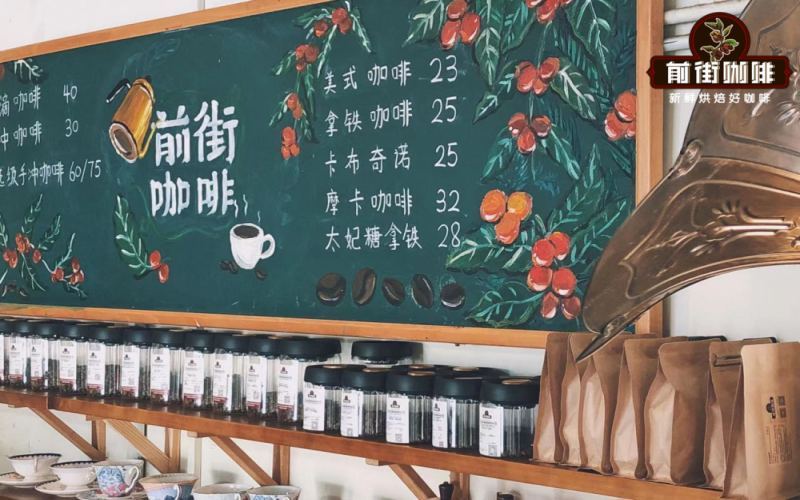
How to distinguish a latte, cappuccino, and flat white? A comprehensive analysis from origin and ratios to milk foam thickness
Latte, cappuccino, and flat white are the three most common milk coffees in coffee shops, yet many people still can't tell them apart. This article begins with the historical origins of the three, tracing the evolution of cappuccino from Viennese Kapuziner to Italian espresso, as well as the background of flat white's birth in Oceania. It then compares them one by one across dimensions such as cup size, number of espresso shots, amount of milk, milk foam thickness, and flavor and mouthfeel, helping readers establish clear standards for distinguishing them. The article also introduces the recipe and roasting characteristics of Front Street Coffee's classic espresso blend beans, and answers the question of whether these three milk coffees can be made iced, while recommending Dirty coffee as an alternative to iced milk coffee. [more…]
Should Cappuccino Have Latte Art? A Complete Analysis from Historical Origins to Preparation Details
Cappuccino is one of the most common milk coffees on café menus, yet its definition has always been evolving. From the "Kapuziner" of 18th-century Vienna to today's modern version topped with latte art, what changes has this classic drink undergone? Does an authentic cappuccino really need latte art? This article traces the origins of cappuccino, sorts out its evolution from coarse milk foam to dense microfoam, analyzes the origins of the traditional 1:1:1 ratio and the "golden ring," and explores how latte art has made cappuccino's milk foam thinner and thinner. At the same time, we will also consider: once a cup of coffee departs from these core features—a small cup size, filled to 11 parts, and thick milk foam—can it still be called a cappuccino? [more…]
A Comprehensive Analysis of 30 Classic Specialty Coffee Recipes: Espresso Bases and Global Signature Brewing Methods
The world of fancy coffee is far more than just lattes and cappuccinos. Starting from the rich base of Italian espresso, adding milk, cream, chocolate, liqueur, or even fire, you can create dozens of drinks with distinct flavors. This article systematically organizes the preparation methods and recipes for 30 classic fancy coffees, covering diverse styles such as Italian, French, Viennese, Irish, and Turkish. Each drink includes detailed ingredients, steps, and key points to watch. Whether you want to recreate a café au lait at home or try igniting brandy to make a royal coffee, this guide provides clear operational references. At the end, there are also Front Street Coffee bean recommendations to help you choose the right base and get twice the result with half the effort. [more…]
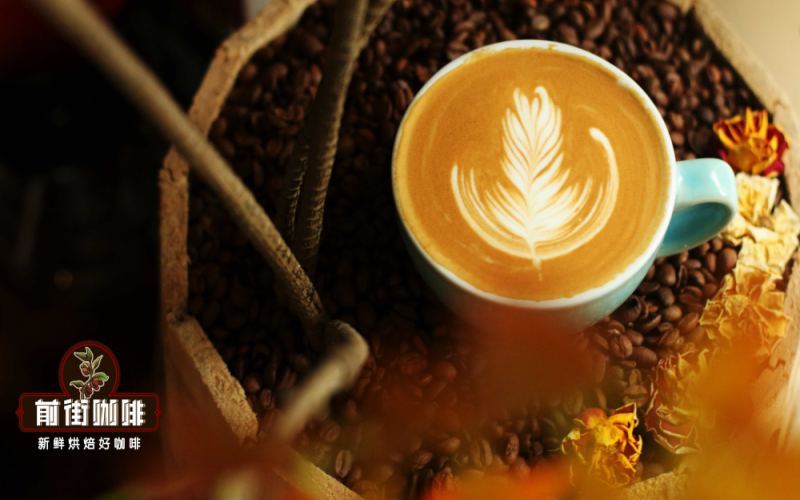
The Real Difference Between a Latte and a Cappuccino: Cup Size, Milk Foam, and Mouthfeel Explained in One Go
Walk into any coffee shop, and latte and cappuccino are almost always permanent fixtures on the menu. Many people assume the two differ only in cup size and foam thickness, but the actual differences go far beyond that. From the perspective of Front Street Coffee, this article systematically sorts out the origin stories, ingredient ratios, milk foam handling methods, and cupware selection considerations of these two classic Italian coffees, while also touching on the Dirty coffee that has become popular in recent years. Whether you are a beginner just starting out or a seasoned enthusiast wanting to recreate a proper latte or cappuccino at home, you will find practical references here. [more…]